HOME > News
How to Choose a Tactical Footwear Manufacturer for Bulk Orders and Custom Projects
Sourcing tactical footwear for military supply channels, law enforcement equipment distributors, security companies, or outdoor product brands requires more than comparing unit prices. The right manufacturer should be able to meet your product specifications, maintain consistent quality across production batches, and support the requirements of your target market.
For businesses planning bulk orders or custom footwear projects, evaluating manufacturing capabilities before placing an order can help reduce product inconsistencies, avoid unnecessary revisions, and establish a more reliable supply process.
This guide explains what to look for in a tactical footwear manufacturer, from material selection and product development to quality inspection and order management.
Evaluate the Manufacturer's Tactical Footwear Range
Start by checking whether the manufacturer offers the types of footwear required for your market. Tactical footwear covers several product categories, and each serves different operational needs.
Common options include:
-
Tactical boots: Designed for demanding work environments where stability, durability, and reliable traction are important.
-
Combat boots: Typically developed for rugged outdoor use and applications requiring durable construction and foot support.
-
Police boots: Often designed for duty use, with features such as convenient fastening systems, supportive uppers, and outsoles suited to daily wear.
-
Lightweight tactical shoes: Suitable for applications where mobility, reduced footwear weight, and ventilation are priorities.
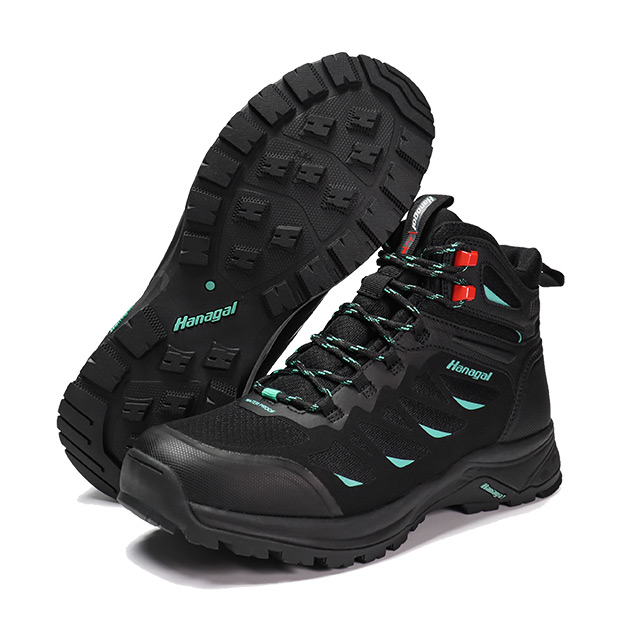
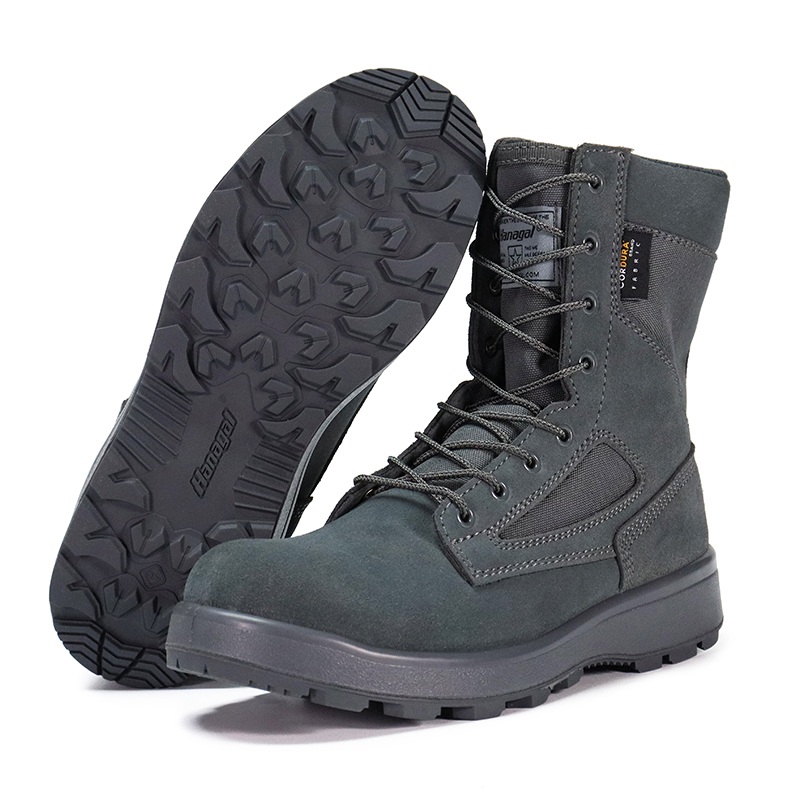
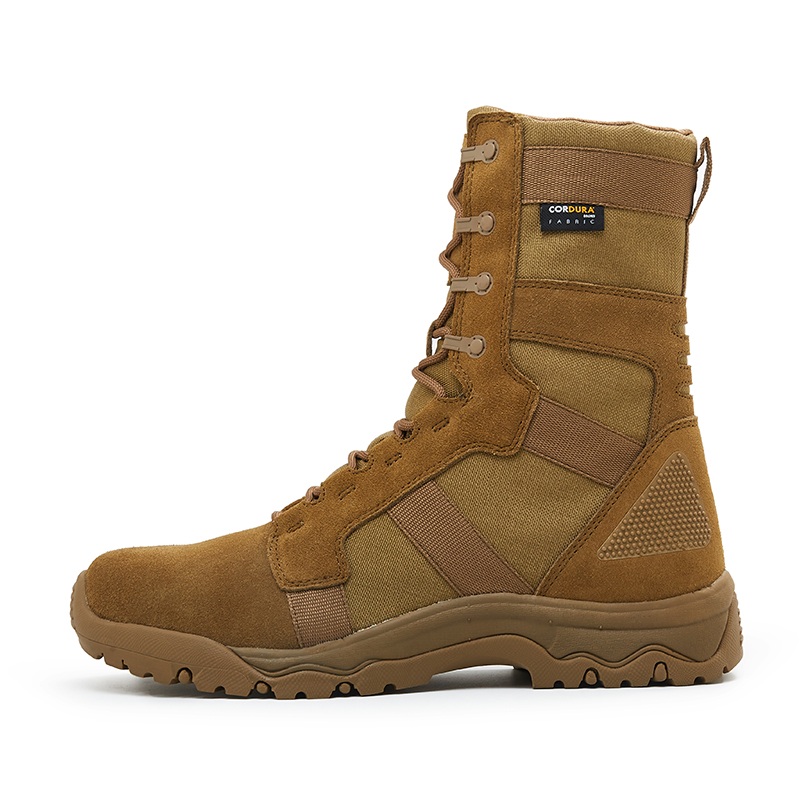
Hanagal's tactical footwear collection includes police footwear, combat footwear, and desert footwear for different applications. Reviewing existing styles can help you identify suitable starting points for a new product range or wholesale sourcing project.
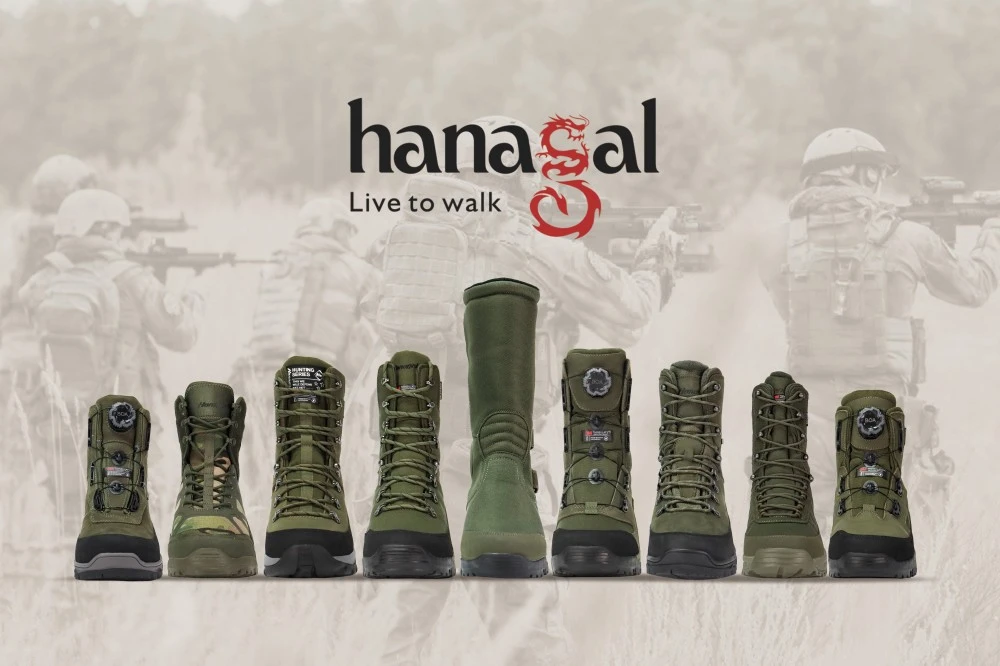
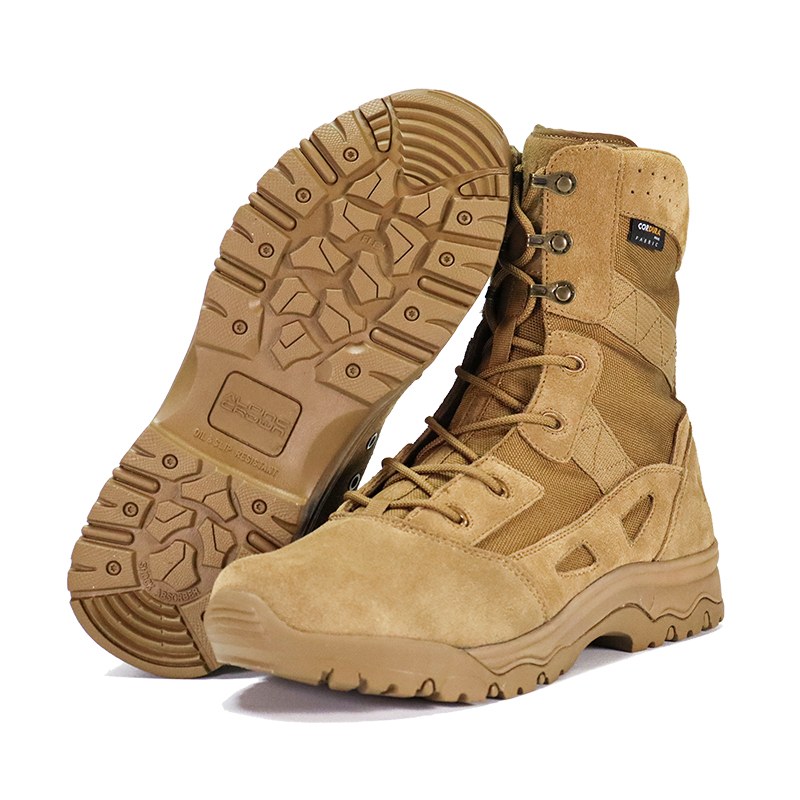
For example, the Fitgo System Breathable Mesh Combat Shoes feature a rotary fastening system and breathable mesh construction, while the Assisted Shoe Removal Desert Tactical Boots offer a different combination of upper materials, fastening design, and outsole construction.
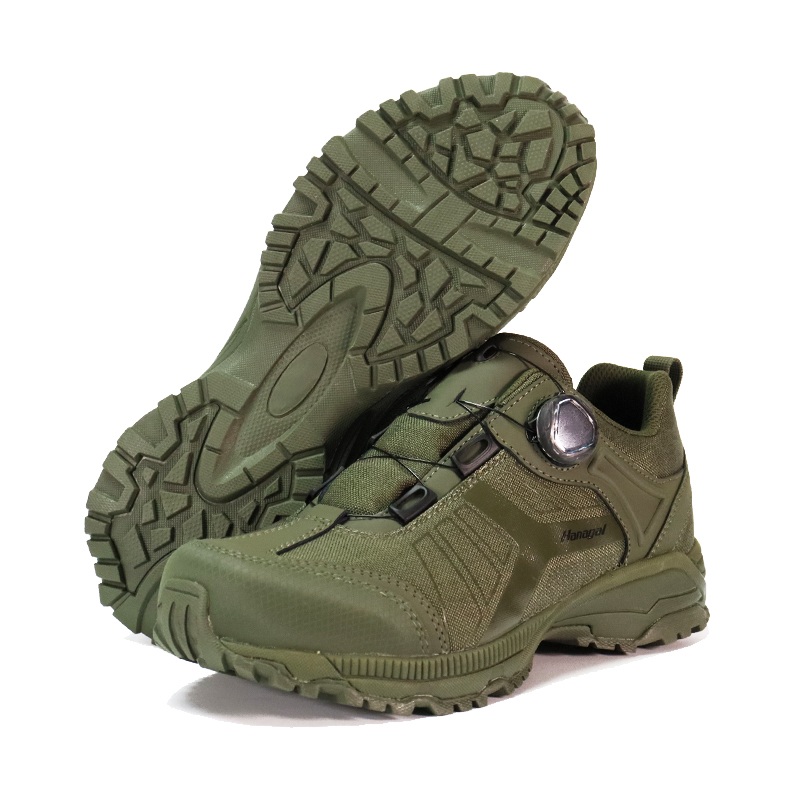
A manufacturer's existing product range can provide a useful starting point for product selection. If your project requires a specific boot height, closure system, outsole pattern, or upper material, confirm whether these specifications can be accommodated before moving forward.
For distributors and private-label brands, a supplier with a relevant product range may also make it easier to develop complementary styles under one sourcing program.
Compare Materials, Construction, and Functional Requirements
Material selection directly affects footwear weight, flexibility, durability, ventilation, and maintenance requirements. The best combination depends on the intended application rather than on a single material being suitable for every project.
When reviewing tactical footwear samples, pay attention to the following components.
Upper materials
Leather, synthetic materials, and mesh fabrics offer different combinations of abrasion resistance, flexibility, weight, and ventilation. Some designs combine several materials to balance protection with comfort. Ask the manufacturer to specify the materials used in each part of the upper.
Outsole construction
The outsole should match the surfaces and working conditions for which the footwear is intended. Tread pattern, rubber compound, lug depth, and overall sole construction can influence traction, wear resistance, and flexibility. Where slip resistance is a key requirement, request relevant test information rather than relying on appearance alone.
Midsole and foot support
The midsole and internal support structure influence cushioning, stability, and comfort during extended wear. The appropriate design depends on factors such as walking distance, terrain, footwear weight, and the user's working conditions.
Fastening and reinforcement
Laces, side zippers, reinforced toe areas, heel structures, and other construction details should be assessed against the product specification. For custom projects, confirm that the proposed components are available and can be maintained consistently throughout production.
A detailed specification sheet helps both parties establish clear expectations before sample development and bulk manufacturing begin.
Confirm OEM and Custom Development Capabilities
For brands, importers, and distributors developing their own product lines, customization can be an important part of supplier selection. However, the term "custom footwear" can refer to different levels of service.
Before requesting a quotation, clarify which changes are required for your project:
-
Upper materials, colors, and surface finishes
-
Boot height, patterns, and design details
-
Outsole design and tread configuration
-
Lacing systems, zippers, and reinforcement components
-
Branding elements, logos, labels, and packaging
-
Size ranges and product-specific construction requirements
Hanagal's existing product pages indicate customization options for selected footwear, including logos, materials, and colors. For example, the Assisted Shoe Removal Desert Tactical Boots product page provides details about customization.
Not every manufacturer can modify every component. Some changes may require new tooling, revised patterns, or additional development work.
Provide drawings, reference samples, product photographs, or a written technical specification wherever possible. The more precise the initial requirements, the easier it is to assess feasibility and identify potential cost differences.
For private-label projects, confirm the approved logo artwork, packaging requirements, sample approval procedure, and responsibilities for any design revisions before mass production.
Assess Production Consistency Before Placing a Bulk Order
A sample may look and perform well, but bulk orders introduce additional considerations. Customers need to understand how the manufacturer will keep materials, dimensions, construction, and appearance consistent across production batches.
Ask how the supplier manages incoming material inspection, in-process checks, finished-product inspection, and the handling of nonconforming products.
For tactical footwear, quality checks may include:
-
Size measurements and dimensional consistency
-
Stitching quality and upper assembly
-
Outsole bonding and attachment
-
Zipper, lace, and fastening functionality
-
Visible defects, finishing, and color consistency
-
Carton labeling, size identification, and packing accuracy
The inspection plan should reflect the product's intended use and the agreed technical specification. If your project includes specific performance requirements, define the applicable test methods and acceptance criteria before production.
Hanagal identifies quality control as one of its dedicated business functions. When evaluating a potential supplier, ask for details about the inspection procedures and documentation applicable to your specific order.
It is also useful to agree on how samples will be approved, how production deviations will be handled, and whether pre-shipment inspection is required. These arrangements help reduce misunderstandings when the order reaches the final inspection stage.
Understand MOQ, Pricing, and Lead Time
For bulk procurement, the lowest quoted unit price does not necessarily represent the lowest overall sourcing cost. Tooling, sample development, packaging, shipping arrangements, and potential product revisions can all affect the final budget.
When requesting a quotation from a tactical footwear manufacturer, provide enough information for an accurate assessment.
| Quotation requirement | Information to provide |
|---|---|
| Product type | Tactical boots, combat boots, police boots, or another specified style |
| Order quantity | Estimated quantity per style, color, and size range |
| Materials | Required upper, lining, outsole, and other components |
| Customization | Logo, colors, design modifications, and packaging |
| Quality requirements | Applicable tests, inspection criteria, and documentation |
| Delivery requirements | Destination market and preferred delivery schedule |
Ask the manufacturer to distinguish standard products from customized models when explaining MOQ and lead time. A stock design may have different ordering conditions from a project that requires new tooling or custom components.
For repeat orders, also clarify whether material availability, component substitutions, and production scheduling could affect future deliveries. These details are particularly important for distributors maintaining regular inventory.
Request Samples and Verify Product Specifications
Sample evaluation is an essential step before committing to a large order. It allows your team to check the actual product against the proposed specifications and identify issues that may not be obvious from photographs.
When reviewing samples, consider fit, sizing, flexibility, construction, finishing, and the suitability of the outsole for the intended environment. If waterproofing, slip resistance, puncture resistance, or other specialized performance is required, request appropriate supporting test documentation.
Record any requested changes and obtain confirmation of the revised specifications. The final approved sample or documented specification should serve as the reference for bulk production, subject to the agreed quality-control process.
For custom projects, also confirm whether changes made after sample approval will affect tooling, pricing, or the production schedule. Resolving these questions early can help avoid delays and unexpected costs.
Choose a Supplier That Understands Your Target Market
Different markets may have different expectations for sizing, product labeling, packaging, performance testing, and documentation. A manufacturer should be able to discuss these requirements with you and identify which ones need to be verified for the intended destination.
For example, footwear supplied for industrial work may require specific protective features and compliance with applicable safety standards. Tactical or duty footwear may instead be assessed against requirements related to fit, durability, traction, and the intended operating environment.
Do not assume that every tactical boot is certified protective footwear. If your project requires a particular certification or performance claim, ask for documentation applicable to the exact model being supplied.
Communication is another important consideration. Confirm who will handle technical questions, sample feedback, order changes, inspection arrangements, and shipment coordination. Clear responsibilities can make the procurement process more efficient, particularly when several styles or customized products are involved.
Finding the Right Tactical Footwear Manufacturing Partner
Choosing a tactical footwear manufacturer for bulk orders or custom projects requires a balanced assessment of product suitability, material options, development capabilities, quality control, pricing, and delivery arrangements.
Rather than making a decision based on price alone, compare suppliers against a written specification and evaluate samples before approving production. This approach helps establish a clearer basis for quotations, quality expectations, and long-term supply planning.
Hanagal has specialized in functional footwear since 2003, with product offerings spanning tactical, outdoor, and other footwear categories. Businesses exploring suitable styles can review the tactical footwear collection and the broader product range before preparing a sourcing request.
Planning a bulk order or custom tactical footwear project? Submit your product type, estimated quantity, material preferences, branding requirements, and destination market through Hanagal's inquiry page to discuss suitable options for your project.
Previous :
-
Related News
- How to Cut Product Specification Confusion from 3 Weeks to 3 Days When Sourcing Outdoor Footwear in South America
- How to Find a Trusted Outdoor Footwear Supplier in 30 Days (Not 90)
- How Can Combat Footwear Enhance Performance and Safety?
- How to Choose the Perfect Desert Footwear for Ultimate Comfort and Durability
- Summer lightweight hiking: how to choose breathable and slip resistant outdoor shoes?
- How long does the break in period take for outdoor shoes? And how to speed it up?
Leave me a message