HOME > News
How Desert Footwear Improves Comfort and Performance in Extreme Environments?
Article Summary
Desert footwear is engineered to withstand harsh environments characterized by high temperatures, and rugged terrain. This article explains how desert footwear enhances comfort, durability, and safety through specialized materials, structural design, and performance-driven features. It also provides a comprehensive buying guide, technical parameter overview, and answers to frequently asked questions to help users select the most suitable footwear for desert conditions.
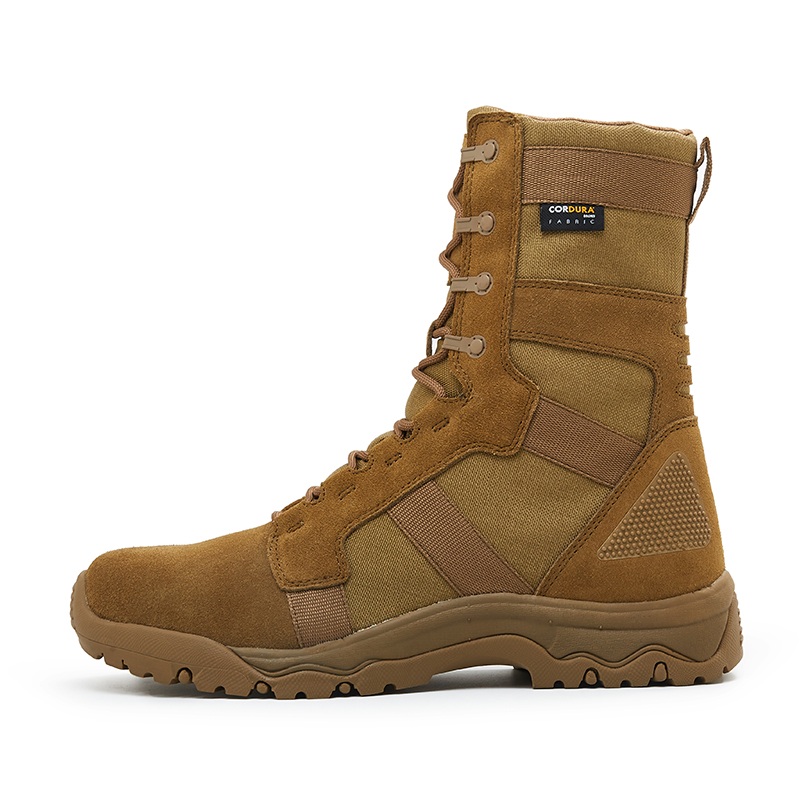
Table of Contents
- 1. What Is Desert Footwear?
- 2. Why Standard Shoes Fail in Desert Conditions
- 3. How Desert Footwear Works: Core Design Principles
- 4. Key Features and Technical Parameters
- 5. How to Choose the Right Desert Footwear
- 6. Common Use Scenarios
- 7. FAQ
- 8. Conclusion
1. What Is Desert Footwear?
Desert footwear refers to specialized shoes or boots designed for arid and semi-arid environments. These products evolved from military desert boots, originally developed for soldiers operating in hot climates. Modern designs combine lightweight construction, breathable materials, and durable outsoles to ensure stability and comfort.
Typical desert footwear features include ankle-height construction, flexible uppers made from suede or leather, and shock-absorbing rubber soles. These characteristics allow the footwear to balance mobility, ventilation, and protection effectively.
2. Why Standard Shoes Fail in Desert Conditions
Conventional footwear is not optimized for desert environments. Users often encounter the following problems:
- Heat Retention: Thick materials trap heat, causing discomfort and fatigue.
- Poor Ventilation: Lack of airflow leads to sweating and potential foot infections.
- Sand Intrusion: Open structures allow fine الرمال to enter easily.
- Insufficient Traction: Smooth soles perform poorly on loose sand.
- Excessive Weight: Heavy shoes increase energy consumption during long walks.
Desert footwear addresses these limitations through targeted engineering and material optimization.
3. How Desert Footwear Works: Core Design Principles
3.1 Breathability and Heat Regulation
Desert footwear prioritizes airflow to reduce internal temperature. Materials such as suede, mesh, and nylon allow heat and moisture to escape efficiently, preventing overheating.
3.2 Lightweight Construction
Weight reduction is critical in desert environments. Lightweight materials reduce fatigue and improve mobility, especially during prolonged walking or hiking.
3.3 Sand Protection Design
Advanced designs incorporate gusseted tongues and sealed seams to prevent sand ingress. This minimizes irritation and enhances long-term comfort.
3.4 Shock Absorption and Cushioning
Crepe rubber soles or EVA midsoles provide cushioning and reduce impact stress. These materials absorb shock effectively while maintaining flexibility.
3.5 Traction on Loose and Uneven Terrain
Outsoles are engineered with specific tread patterns to ensure grip on sand, gravel, and rocky surfaces. Rubber compounds enhance stability and reduce slipping risks.
3.6 Durability Under Harsh Conditions
Desert footwear uses abrasion-resistant materials and reinforced stitching to withstand UV exposure, sand friction, and temperature extremes.
4. Key Features and Technical Parameters
| Parameter | Description | Performance Benefit |
|---|---|---|
| Upper Material | Suede, full-grain leather, or mesh | Breathability and flexibility |
| Outsole | Rubber or crepe sole | Shock absorption and traction |
| Weight | Lightweight construction | Reduced fatigue |
| Ventilation | Mesh panels or perforations | Temperature regulation |
| Closure System | Open lacing design | Adjustable fit and comfort |
| Ankle Support | Mid-cut structure | Stability on uneven terrain |
| Moisture Control | Wicking linings | Keeps feet dry |
5. How to Choose the Right Desert Footwear
- Evaluate Climate Conditions: Prioritize breathability for hot regions.
- Check Material Composition: Suede offers comfort, while leather enhances durability.
- Inspect Sole Design: Choose deep or adaptive tread for better grip.
- Consider Weight: Lightweight options improve endurance.
- Ensure Proper Fit: Adjustable lacing systems provide better comfort.
- Look for Sand Protection Features: Gusseted tongues and tight seams are essential.
According to industry practices, well-designed desert footwear should balance ventilation, durability, and traction to deliver optimal performance.
6. Common Use Scenarios
- Desert hiking and trekking
- Military and tactical operations
- Outdoor exploration and travel
- Construction or industrial work in arid regions
- Casual wear in hot climates
7. FAQ
Q1: Are desert footwear products waterproof?
Most desert footwear is not fully waterproof. Instead, it focuses on breathability and may include water-resistant treatments to handle light moisture.
Q2: What is the best material for desert footwear?
Suede is ideal for comfort and breathability, while full-grain leather provides better durability. Hybrid designs using mesh and synthetic materials offer a balanced solution.
Q3: Can desert footwear be used outside desert environments?
Yes. Many designs are versatile and suitable for urban wear or casual outdoor activities, although they may not perform well in wet or snowy conditions.
Q4: How do I maintain desert footwear?
Regular cleaning, applying protective sprays, and avoiding excessive moisture exposure will extend product lifespan.
8. Conclusion
Desert footwear is a specialized solution designed to meet the challenges of extreme environments. By combining breathable materials, lightweight construction, and advanced sole technology, it significantly improves comfort, safety, and performance.
As a professional manufacturer, Hanagal focuses on delivering high-quality desert footwear tailored to diverse applications. With continuous innovation in materials and ergonomic design, Hanagal ensures reliable performance even in the most demanding conditions.
Contact Us
Looking for durable and high-performance desert footwear solutions? Contact us today to explore customized products, bulk orders, and expert support tailored to your specific needs. Your reliable partner in desert footwear starts here.
Related News
- How to Choose a Tactical Footwear Manufacturer for Bulk Orders and Custom Projects
- How to Cut Product Specification Confusion from 3 Weeks to 3 Days When Sourcing Outdoor Footwear in South America
- How to Find a Trusted Outdoor Footwear Supplier in 30 Days (Not 90)
- How Can Combat Footwear Enhance Performance and Safety?
- How to Choose the Perfect Desert Footwear for Ultimate Comfort and Durability
- Summer lightweight hiking: how to choose breathable and slip resistant outdoor shoes?
Leave me a message